Portable LIBS Spectrometer LIS-02: Practical Applications, Technical Insights, and Industrial Value
Portable LIBS Spectrometer LIS-02: Practical Applications, Technical Insights, and Industrial Value
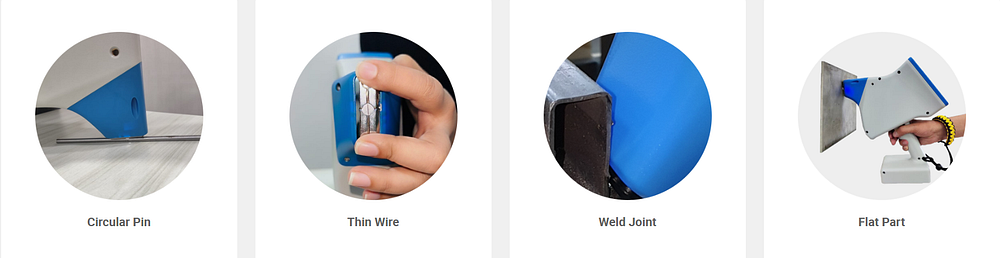
The demand for fast and accurate material analysis continues to grow across manufacturing, mining, recycling, metallurgy, aerospace, and quality inspection sectors. As a result, companies now prefer field-ready analytical tools that reduce laboratory delays and improve operational decisions.
The Portable LIBS Spectrometer has become one of the most practical solutions for real-time elemental analysis. Unlike conventional laboratory instruments, portable systems allow technicians and engineers to identify materials directly at the inspection site. This approach improves workflow speed, lowers sample handling requirements, and supports faster decision-making.
Among modern systems, the Portable LIBS Spectrometer LIS-02 stands out because of its compact structure, rapid analysis capability, and broad elemental detection range. Moreover, it supports non-contact testing, which helps preserve sensitive surfaces and reduces contamination risks.
This article explains the working principle, industrial use cases, technical specifications, operational advantages, and practical considerations of the LIS-02 platform. It also includes field observations, technical comparisons, FAQs, and real-world implementation examples for technical and commercial audiences.
What Is a Portable LIBS Spectrometer?
A Portable LIBS Spectrometer uses Laser-Induced Breakdown Spectroscopy (LIBS) to identify elemental composition in solid materials.
The system directs a high-energy laser pulse onto a material surface. The laser creates a micro-plasma plume. As the plasma cools, it emits light at specific wavelengths. The spectrometer then analyzes this light spectrum to determine elemental composition.
Unlike XRF systems, LIBS technology can detect light elements effectively. These include:
- Lithium
- Beryllium
- Boron
- Carbon
- Sodium
- Magnesium
- Aluminum
Therefore, LIBS systems are highly useful in alloy sorting, battery recycling, mining exploration, and advanced metallurgy.
Understanding the Portable LIBS Spectrometer LIS-02
Overview of LIS-02
The Portable LIBS Spectrometer LIS-02 is a field-deployable elemental analyzer designed for rapid industrial material identification.
The system combines:
- Pulsed laser technology
- High-resolution optical analysis
- Embedded spectral software
- Portable battery-powered operation
- Real-time data processing
As a result, operators can perform immediate material verification without transporting samples to a laboratory.
Core Features of Portable LIBS Spectrometer LIS-02
Compact and Portable Design
The LIS-02 supports handheld or portable operation in industrial environments.
Field engineers often work in:
- Scrap yards
- Mining locations
- Manufacturing plants
- Warehouse inspection zones
- Remote exploration sites
A lightweight instrument improves mobility and reduces operator fatigue during long inspection cycles.
Fast Elemental Analysis
Most LIBS measurements require only a few seconds.
This speed helps industries:
- Reduce inspection bottlenecks
- Improve production throughput
- Verify incoming materials rapidly
- Minimize operational downtime
In practical operations, quick testing often prevents costly material mix-ups.
Detection of Light Elements
One major advantage of a Portable LIBS Spectrometer involves light element detection.
Traditional XRF instruments struggle with several low atomic number elements. However, LIBS systems can analyze:
ElementIndustrial ImportanceLithiumBattery manufacturingCarbonSteel gradingBoronAlloy engineeringMagnesiumAerospace alloysAluminumAutomotive production
Therefore, LIBS technology supports industries that require advanced alloy discrimination.
Minimal Sample Preparation
The LIS-02 generally requires little or no sample preparation.
Operators can often test:
- Raw metal surfaces
- Scrap materials
- Weld zones
- Geological samples
- Coated materials
This feature saves time during field inspections.
Real-Time Data Display
Modern LIBS systems provide immediate spectral visualization and composition reporting.
The LIS-02 may include:
- Touchscreen interface
- Automated grade matching
- Material database integration
- Data export capability
- Wireless reporting support
These features improve traceability and inspection documentation.
Working Principle of Portable LIBS Spectrometer
Laser-Induced Plasma Generation
The laser pulse heats a microscopic region of the sample surface.
As temperature rises rapidly, the material vaporizes and forms plasma.
The emitted light contains unique spectral signatures for each element.
Spectral Detection and Analysis
The spectrometer captures emitted wavelengths through optical sensors.
Software algorithms then compare spectral peaks against stored databases.
This process identifies:
- Element type
- Relative concentration
- Alloy grade
- Material classification
The analysis typically completes within seconds.
Key Industrial Applications of Portable LIBS Spectrometer LIS-02
Metal Alloy Identification
Metal sorting remains one of the largest applications for LIBS technology.
The LIS-02 helps identify:
- Stainless steel grades
- Nickel alloys
- Titanium alloys
- Tool steels
- Aluminum grades
Scrap recycling facilities particularly benefit from rapid alloy separation.
Mining and Geological Analysis
Mining companies use LIBS systems for rapid ore characterization.
Field teams can evaluate:
- Mineral composition
- Ore quality
- Exploration targets
- Geological variations
Consequently, exploration teams make faster operational decisions.
Battery Recycling Operations
Lithium-ion battery recycling requires accurate elemental analysis.
The Portable LIBS Spectrometer LIS-02 supports detection of:
- Lithium
- Cobalt
- Nickel
- Manganese
This capability improves material recovery efficiency.
Aerospace Material Verification
Aerospace manufacturing requires strict alloy compliance.
LIBS technology helps inspectors verify:
- Heat-resistant alloys
- Titanium grades
- Aluminum structures
- Maintenance components
Rapid verification reduces quality risks.
Welding and PMI Inspection
Positive Material Identification (PMI) remains critical in petrochemical and industrial plants.
The LIS-02 supports:
- Weld inspection
- Pipe verification
- Corrosion-resistant alloy checks
- Maintenance quality assurance
PMI programs often use portable analyzers to prevent material substitution failures.
Technical Advantages Over Conventional Methods
LIBS vs XRF
FeatureLIBSXRFLight element detectionExcellentLimitedSpeedVery fastFastSurface cleaning requirementModerateLowRadiation concernsLower regulatory burdenRequires radiation complianceCarbon analysisPossibleDifficult
Therefore, many facilities combine LIBS and XRF depending on operational needs.
LIBS vs Laboratory Testing
ParameterPortable LIBSLaboratory TestingPortabilityHighNoneResult timeSecondsHours or daysOn-site analysisYesNoSample transportNot requiredRequiredOperational flexibilityHighModerate
Portable systems improve field responsiveness significantly.
Practical Field Experience With Portable LIBS Spectrometer
Common Operational Observations
Experienced operators often report several practical benefits:
Faster Sorting Efficiency
Scrap yards process mixed alloys quickly using portable LIBS systems.
As a result, sorting accuracy improves while labor costs decrease.
Better Carbon Verification
Steel manufacturers value LIBS because carbon analysis helps distinguish similar steel grades.
This capability becomes critical in:
- Stainless steel verification
- Heat-treated steel inspection
- Tool steel classification
Reduced Laboratory Dependency
Field teams can validate materials immediately.
Consequently, maintenance shutdowns become shorter and more predictable.
Case Study: Alloy Verification in Industrial Maintenance
Scenario
A maintenance contractor managed pipeline upgrades in a petrochemical facility.
The project required verification of corrosion-resistant stainless steel piping before installation.
Challenge
The contractor faced three operational problems:
- Delayed laboratory reports
- Material mix-up risk
- Tight shutdown schedule
Solution
The team deployed the Portable LIBS Spectrometer LIS-02 for on-site PMI inspections.
Operators verified:
- Stainless steel grades
- Carbon levels
- Nickel content
- Weld compatibility
Result
The inspection process improved significantly:
MetricBefore LIBSAfter LIBSMaterial verification time2–3 daysMinutesShutdown delay riskHighReducedIncorrect alloy installationPossibleMinimized
The contractor completed inspections within the maintenance window.
Important Operational Considerations
Surface Condition Matters
Dirty or coated surfaces can affect LIBS accuracy.
Operators should:
- Remove heavy rust
- Clean oil contamination
- Avoid unstable surfaces
Proper preparation improves spectral quality.
Operator Training Remains Important
Even advanced instruments require skilled usage.
Training should cover:
- Laser safety
- Spectral interpretation
- Calibration procedures
- Surface preparation
- Data management
Well-trained operators produce more reliable results.
Environmental Conditions Affect Performance
Extreme conditions may influence testing stability.
Field users should monitor:
- Dust exposure
- Excessive vibration
- Moisture
- Temperature fluctuations
Protective handling improves instrument lifespan.
Data Management and Reporting
Modern portable spectrometers increasingly support digital integration.
Typical features include:
- Cloud data synchronization
- PDF report generation
- GPS tagging
- Inspection logs
- USB export
- Wireless transfer
These capabilities improve audit documentation and traceability.
Safety Considerations
Although LIBS systems avoid radioactive sources, laser safety remains important.
Operators should follow:
- Eye protection guidelines
- Controlled operation procedures
- Equipment maintenance schedules
- Workplace laser compliance standards
Safe operation protects personnel and equipment.
Expert Insight on Portable LIBS Technology
Materials engineers increasingly prefer LIBS systems for mobile elemental analysis because they combine speed with field flexibility.
A senior metallurgy consultant from an industrial inspection firm noted:
“Portable LIBS systems changed field alloy verification. Carbon analysis alone solved several identification challenges that older handheld systems could not address.”
This observation reflects growing adoption across inspection-intensive industries.
Frequently Asked Questions
What is a Portable LIBS Spectrometer used for?
A Portable LIBS Spectrometer performs rapid elemental analysis directly in the field. Industries use it for alloy identification, mining, PMI inspection, recycling, and quality control.
What makes Portable LIBS Spectrometer LIS-02 different?
The Portable LIBS Spectrometer LIS-02 focuses on portability, fast testing, and light element detection. It supports real-time industrial analysis without laboratory delays.
Can LIBS detect lithium?
Yes. LIBS technology can detect lithium effectively. Therefore, battery recycling and energy industries frequently use LIBS systems.
Does LIBS require sample preparation?
Most applications require minimal preparation. However, operators should clean heavily contaminated surfaces before testing.
Is LIBS safer than XRF?
LIBS systems avoid radioactive isotopes used in XRF devices. However, operators must still follow laser safety procedures.
Final Thought
The Portable LIBS Spectrometer has become an important tool for industries that require fast and accurate elemental analysis outside laboratory environments.
The Portable LIBS Spectrometer LIS-02 supports practical field operations through portability, rapid analysis speed, and light element detection capability. These advantages help technical teams improve inspection efficiency, reduce downtime, and strengthen material verification processes.
As industries continue adopting faster quality control systems, LIBS technology will likely play a larger role in metallurgy, recycling, mining, aerospace, and industrial maintenance.


Comments
Post a Comment